
Overview
Coffee County’s Republican primary for county mayor is a test of how voters want the county governed as growth accelerates and trust in local leadership is under strain. Incumbent Dennis Hunt faces challenger Cheryl Swann, a business owner and former Manchester Finance Chair running on fiscal discipline, property-rights rhetoric, and transparency.
The office matters because the county mayor is a central executive figure in county government, with major responsibility for administration and budget management. In this race, that makes the stakes concrete: voters are judging not just political style, but how the county is handling development pressure, money, and public accountability.
What this race is about
Four issues define the contest. First, rapid growth is putting pressure on land use decisions and rural communities. Second, that fight has spilled into a broader property-rights argument. Third, county finances are under scrutiny as Swann argues the county is being managed too loosely. Fourth, and most serious, Hunt is facing a public-records controversy backed by a court petition and a public break from the district attorney.
Growth and development pressure
Property rights and land-use rules
Budget strain and management questions
Public-records and conduct allegations
What the county mayor does
The county mayor is not a ceremonial figure. The office helps run county government day to day, especially on administration and budgeting. That is why this race is centered on governing questions rather than symbolism. When candidates argue about deficits, planning disputes, maintenance failures, or transparency, they are arguing about the core performance of county government.
Growth is the backdrop
Coffee County is dealing with real growth pressure. The brief says tourism already brings about $146 million a year into the county, and larger industrial investment is expected through AEDC and a nearby mega site. Whether every projection holds or not, both campaigns are operating from the same basic reality: development pressure is rising, and decisions made now will shape who benefits and who feels squeezed.
That pressure came into focus in February 2025, when Hunt proposed a 90-day moratorium on major subdivision plat reviews. According to local coverage, he said rural residents were concerned they lacked adequate representation in the approval process for large developments in the Rural Area District. He framed the proposal as a pause to reassess requirements before elected representatives from rural areas voted on changes.
This is one of the clearest policy splits in the race. Hunt’s case is that growth can outrun public input and that rural residents need more protection before major development moves forward. Swann’s case is that local families should not get trapped by county process when they want to use their land, and that growth should pay for itself instead of pushing new costs onto residents.
Property rights is where the growth fight gets personal
Swann has turned property rights into a simple local argument: family land should stay usable for family decisions. She has also said she opposes a wheel tax and argues that growth should cover growth-related costs. That message links land use, household costs, and distrust of county government into one critique.
Hunt’s moratorium proposal keeps the other side of that argument alive. Supporters can say a temporary pause is a reasonable way to stop major development from outrunning local representation. Critics can say those pauses often hit landowners first and make county government feel more restrictive. The guide cannot settle that dispute for voters, but it can make the choice clear: this is a real divide over whether the bigger risk is unchecked development or overreach by local government.
The money question
Swann’s campaign is also pushing a straightforward management case against Hunt: Coffee County is running a budget deficit, and she argues the current administration is not on top of the basics. Some of the sharpest claims here need careful attribution. The brief says Swann cites state auditors finding spending that was not approved, and says officials could not answer basic revenue and expense questions at a Budget Committee meeting. Those claims may matter to voters, but the packet does not include the underlying audit documents or meeting transcript.
Swann’s argument for herself rests on her record in Manchester. She says that as Finance Chair she more than doubled the city’s cash reserves while maintaining services. She is pitching that experience as evidence that county government needs a more disciplined, more transparent, CFO-style approach.
She has tied that message to other examples, including criticism of a proposed $69 million school investment as lacking a clear funding plan in a deficit environment, and criticism around the Manchester public library closure after roof leaks and mold. In this guide, those examples should be understood as part of Swann’s case against current leadership, not as fully independently verified findings within the source packet.
The public-records controversy over Hunt
The most consequential issue in the race is the conduct controversy involving Hunt, Commissioner Joseph Michael Hodge, Sheriff Chad Partin, and county secretary Connie Goethe. On June 20, 2025, Hodge filed a petition in Chancery Court alleging that Hunt and Partin withheld public records he had requested in February. The records at issue involved the planning commission, a zoning moratorium, and actions of former County Mayor Judd Matheny.
According to the petition, the dispute escalated beyond records access. Hodge alleges Goethe was threatened with criminal prosecution and pressured to resign after agreeing to release records. He also alleges that during a closed-door session at the May 13 county commission meeting, Hunt, Partin, and the county attorney pressured him to resign his commission seat under threat of criminal charges and public embarrassment. No criminal charges have been filed against Hodge or Goethe.
What gives this controversy unusual weight is the district attorney’s public statement. Thunder Radio reported that District Attorney General Craig Northcott said on June 23, 2025 that he had told Hunt and Partin in early March that no crime had been committed and that he refused to participate in a sting operation. Northcott also said he was disappointed that his name and the authority of his office were used to advance what he called a political agenda.
Hunt disputed Northcott’s account in a June 24 email, denying that he met with the DA about the matter before May 30 and rejecting key parts of Northcott’s version of events. Sheriff Partin maintained that Hodge’s conduct reflected criminal intent and argued that elected officials should be held to a higher standard. So the posture is clear even though the case is unresolved: there is a formal court petition, there are serious allegations of withheld records and pressure tactics, and there is a direct public contradiction from the sitting district attorney.
Who is running
Dennis Hunt is the incumbent county mayor. His clearest issue position in the source packet is the subdivision moratorium proposal, which he framed as a way to slow the process and protect rural representation during a period of heavy development pressure. As the incumbent, he also owns the political burden of the county’s financial strain and the public-records controversy now hanging over the office.
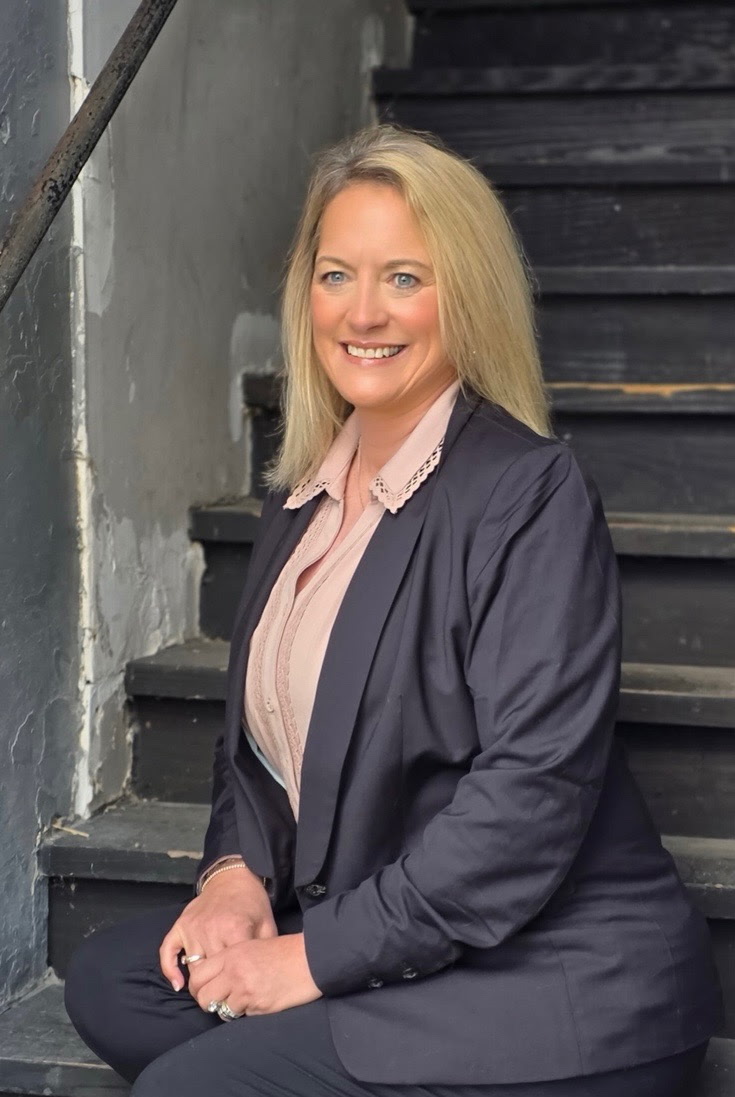
Cheryl Swann is a business owner and former Manchester Finance Chair. She presents herself as a neighbor rather than a career politician and is running on three connected themes: tighter financial management, more transparency, and stronger protection for property owners. Her challenge is aimed directly at whether voters think the current administration has been competent and open enough for the moment Coffee County is in.
What Republican primary voters are deciding
This race is not just Hunt versus Swann. It is a choice about what kind of strain matters most right now. Voters worried mainly about rapid development reshaping rural Coffee County may be more open to Hunt’s argument for slowing things down. Voters who think the bigger problem is weak financial control or a government that has become too opaque may see Swann’s challenge as the sharper answer.
The cleanest way to read the race is this: growth is the setting, property rights is the lived tension, budgeting is the competence test, and the records dispute is the accountability test. That is the structure of the contest Republican primary voters are being asked to judge.